A door that sticks, shudders or will not close
Uneven movement, scraping, repeated reversing or a remote that stops responding can point to different problems. Door balance, tracks, rollers, springs, cables, safety devices and the motor all need to work together.
Stop using a door that is visibly damaged, hanging unevenly or has a damaged cable. Keep people clear. Springs and cables are under tension; have them assessed rather than attempting an adjustment yourself.
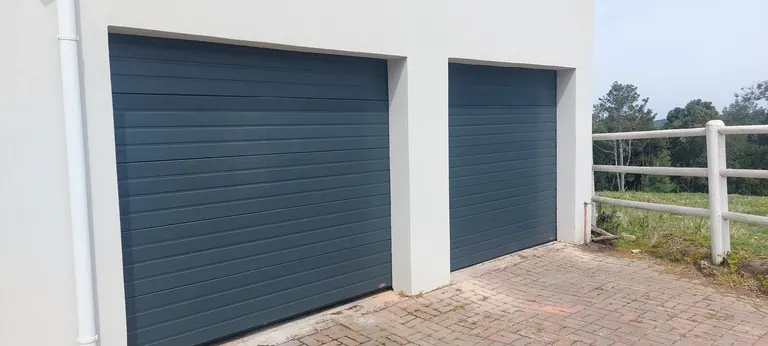
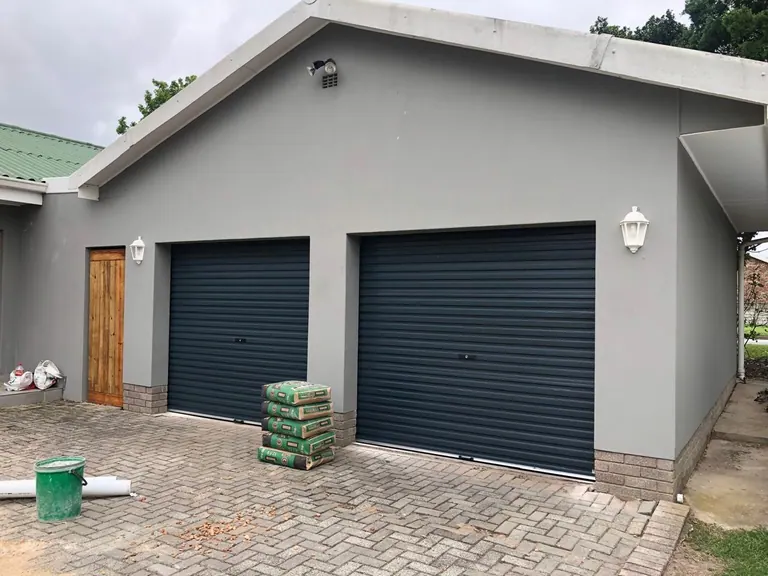
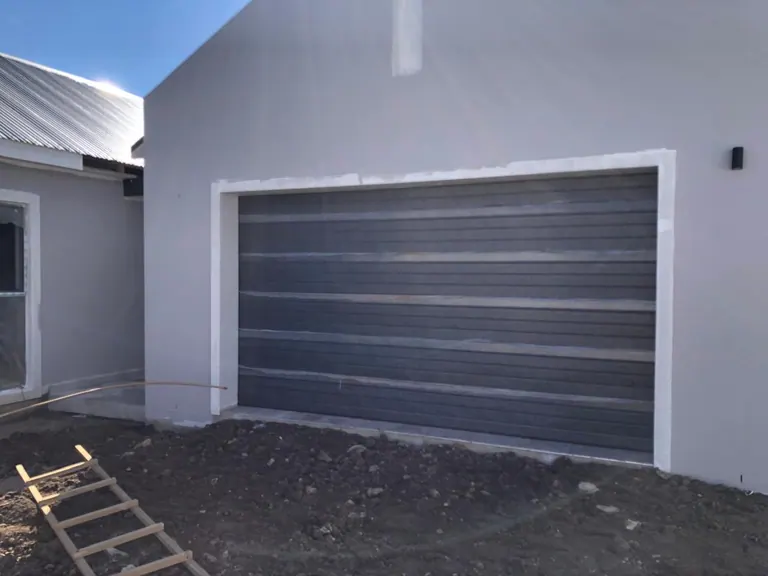
Sectional or roll-up: what suits the opening?
A sectional door moves along overhead tracks, while a roll-up door coils above the opening. The available headroom, side space, opening width and the way you use the garage influence which option is suitable.
Share photos from inside and outside the garage, plus approximate opening dimensions. Finish, exposure to coastal weather, security and the appearance of the home are useful points to discuss.
Automation, remotes and servicing
A motor should be matched to a door that is correctly fitted and balanced. Automating a door does not solve a track or spring problem. Ask about compatible remotes, safety features and battery backup options for the system being considered.
For an existing door, explain whether it works intermittently, reverses, makes a new noise or struggles during power interruptions. A photo of the motor label helps identify the current equipment.
What affects a garage door quote?
The opening size, door type and finish, condition of tracks and hardware, motor, remotes and backup options affect the cost. Removing the existing door, repairing the opening and supplying power can also change the work required.
For a repair, the quote depends on the fault and parts needed. Ask the owners to confirm the scope, equipment, warranty terms and visit arrangements after assessing your property.